Hit The Mark

Why we work this way

Every film is a rep.

Every creator gets better with reps. Most filmmakers go from one production to the next with years in between, and they never get enough of them.

I built Hit The Mark so I get more. Each world starts as an animated film made the way a real film is made, step for step. Because the process is real, every film is a real rep: in the writing, the directing and the cut.

The first film of a world is also a test. It gives the idea room to sit, grow and meet an audience before it becomes a live-action short and then a feature.

Animation and live action are both filmmaking. Doing both lets me tell more stories, and tell each one better.

DeShawn Marks

How the studio runs

An agentic studio, run like a film set.

I write every story and set its structure. A team of AI agents works under my direction, each one inside a department a film set would recognise: directing, camera, design, continuity, editing, sound, music and colour.

Every department checks the work before it moves on, and every creative call is mine. The agents bring speed. The structure brings discipline. Together they let one filmmaker run a full production, again and again.

Stage 1 of 5

Development

The story, before anything is made.

On a film setAt Hit The Mark
ScreenplayI write every script. Each draft goes through rounds of notes against our own writing standard.
Table readThe whole script is read aloud in the cast’s voices and timed to the second, so we know the film’s length before we make it.
Script lockChanges come as revised pages. Once the script is locked, it doesn’t change without my sign-off.

Stage 2 of 5

Pre-production

Every decision made on paper first.

On a film setAt Hit The Mark
Script breakdownEvery scene is broken down into shots, props, wardrobe and story beats.
ContinuityA continuity sheet tracks the state of every object in every shot: what’s open, what’s moved, what’s been spilled.
CastingEvery character is designed and cast, with turnarounds, wardrobe, and hair and makeup locked before production. Voices are auditioned and cast too.
Production designEvery location is built to scale before a single frame exists, down to the props, their size and their wear. A room never changes from shot to shot.
Camera and lightingThe DP chooses the camera, the lens and the light for every shot, for what that moment needs.
Storyboards and animaticEvery shot is blocked, and every scene is cut together as a timed animatic before production starts.
SchedulingWe shoot a test scene first and plan the whole film from what it shows. Every scene has a hard stop.
Camera testsTest shots are graded and judged next to real films before we commit to a look.

Built before it is made

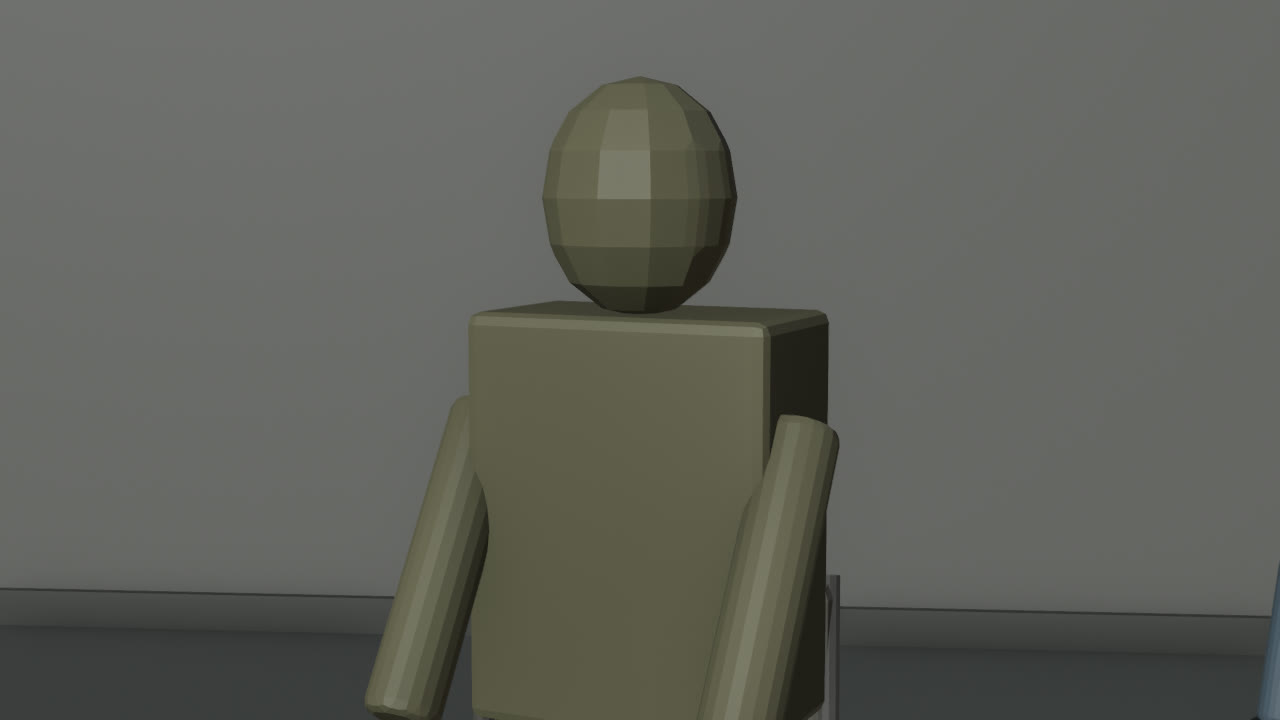
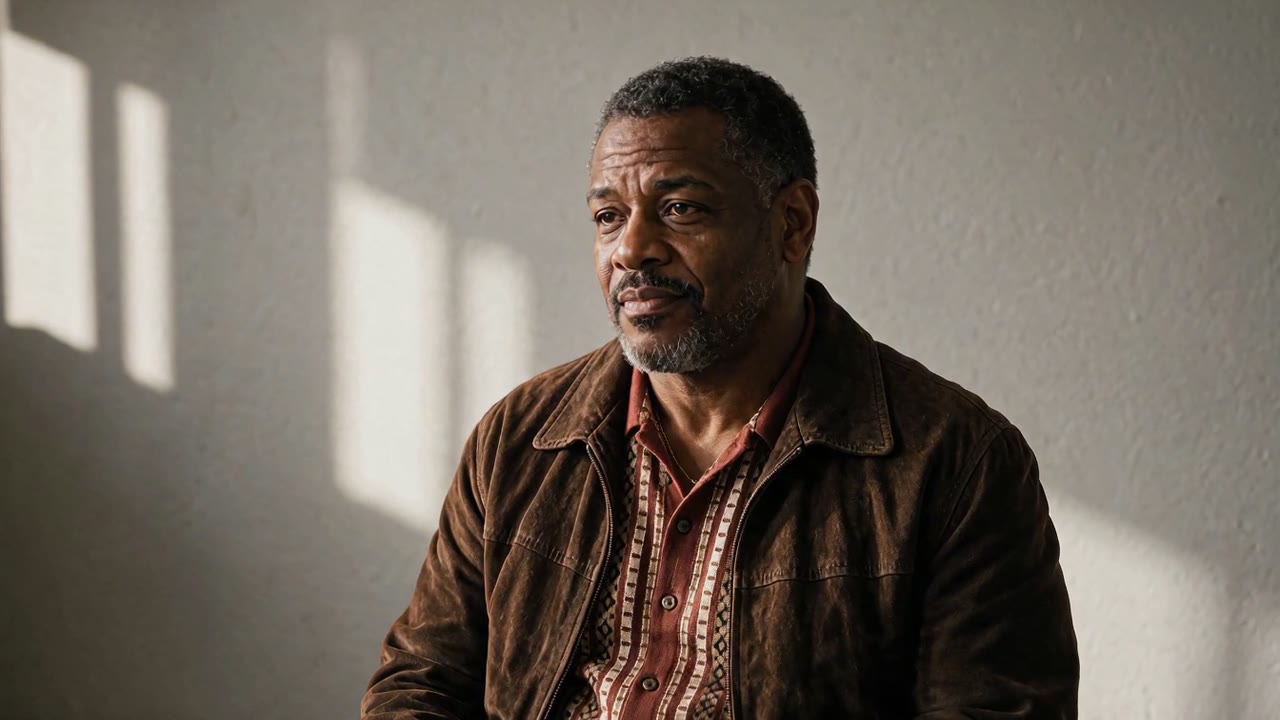
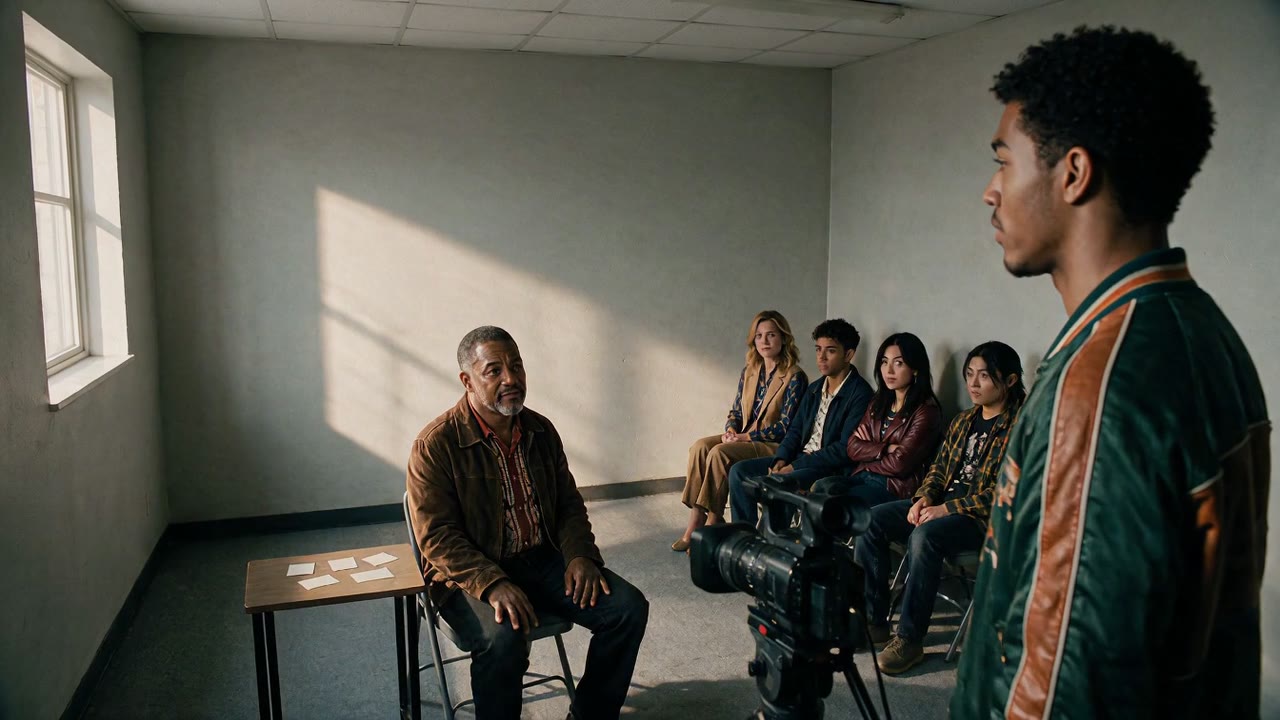
Two moments from Color Conversation: the scene as it was blocked before production, and the same moment in the film.

The blocked sceneThe plan
The finished shotThe film
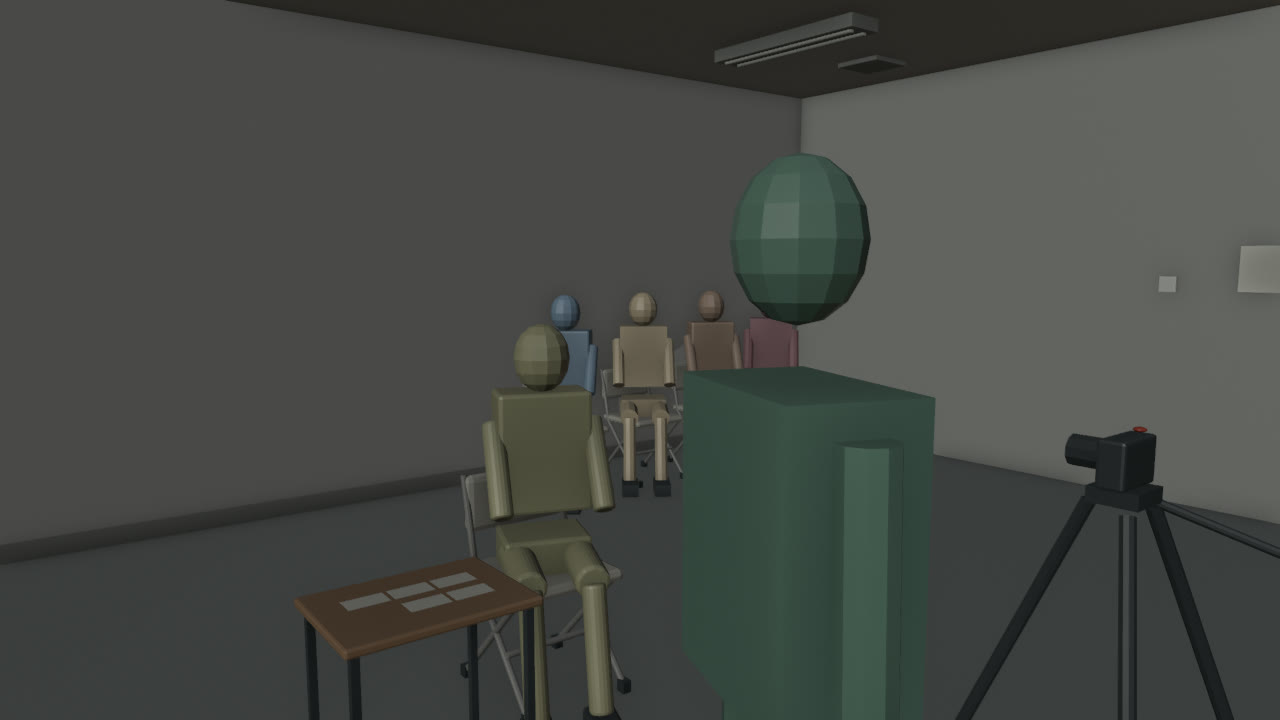
The community center, built in 3D, and the room in the film.
The blocked sceneThe plan
The finished shotThe film
Raymond’s interview, blocked in 3D, and the finished shot.

Stage 3 of 5

Production

Coverage, performance and dailies.

On a film setAt Hit The Mark
CoverageWides, mediums, close-ups and inserts, with more than one angle of the same performance, like a real setup.
Directing performanceEach beat is directed as small physical actions, never a named emotion, with the dialogue played in the take.
DailiesEvery take is reviewed for performance, continuity and likeness, and against the script, before it is kept.
Script supervisionContinuity is checked shot by shot, the way a script supervisor would.

Stage 4 of 5

Post-production

The cut, the sound, the music, the colour.

On a film setAt Hit The Mark
EditorialAssembly, rough cut, fine cut, picture lock. Each finished scene goes into the cut as it’s done.
Test screeningSomeone with fresh eyes watches every cut before I do.
Titles and graphicsTitles, screens and on-screen text are designed for each film.
SoundDialogue edit, effects, foley, room tone and a full mix.
MusicI write and produce the songs. Every film gets a score, a spotting session and a music cue sheet.
ColourEvery shot is graded into one look and finished in 4K.

Stage 5 of 5

Delivery

Ready for an audience.

On a film setAt Hit The Mark
DeliverablesMasters, captions and audio levels, checked against each platform’s specs.
ClearancesA rights log, a credits list and a signed-off list of everything that goes public.
MarketingTrailer, teasers, key art and a premiere.
The audienceWhat people answer, share and argue about tells us which world earns its live-action short.
By the numbers

213shots planned for The Moment Before, a seven-minute film

26of those shots change something the continuity sheet has to track

9:22the timed table read of Color Conversation, before a frame was made

13departments check every film before it reaches an audience

The departments

Every department signs off.

Director
The story, the performance and the final call on every shot.
Director of photography
Where the camera stands, the lens, the light and every move.
Production designer
Every set and prop, and its state at every minute of the script.
Previs and sets
The scale model of every room and the blocking of every shot.
Assistant director
Every take and every cut, checked against the script and the plan.
Hair, makeup and wardrobe
Every character looks the same from the first shot to the last.
Dialogue
Every voice cast and every line checked word for word.
Editor
Which take, where it starts, how long it holds.
Titles and graphics
Every word on screen.
Sound
Room tone, effects, foley and the mix.
Composer
The score: its themes, its instruments, every cue.
Music editor
Where every piece of music starts and stops.
Colourist
One look from the first shot to the master.

Then live action

Animation and live action are both filmmaking.

The story, the characters and the world we build in the animated film carry straight into the live-action short, and then the feature.

  1. AnimationThe first film of the world.
  2. Live-action shortA complete chapter of the world, shot with actors, written to stand on its own.
  3. FeatureThe feature film the first two make inevitable.
DeShawn Marks

The filmmaker

DeShawn Marks

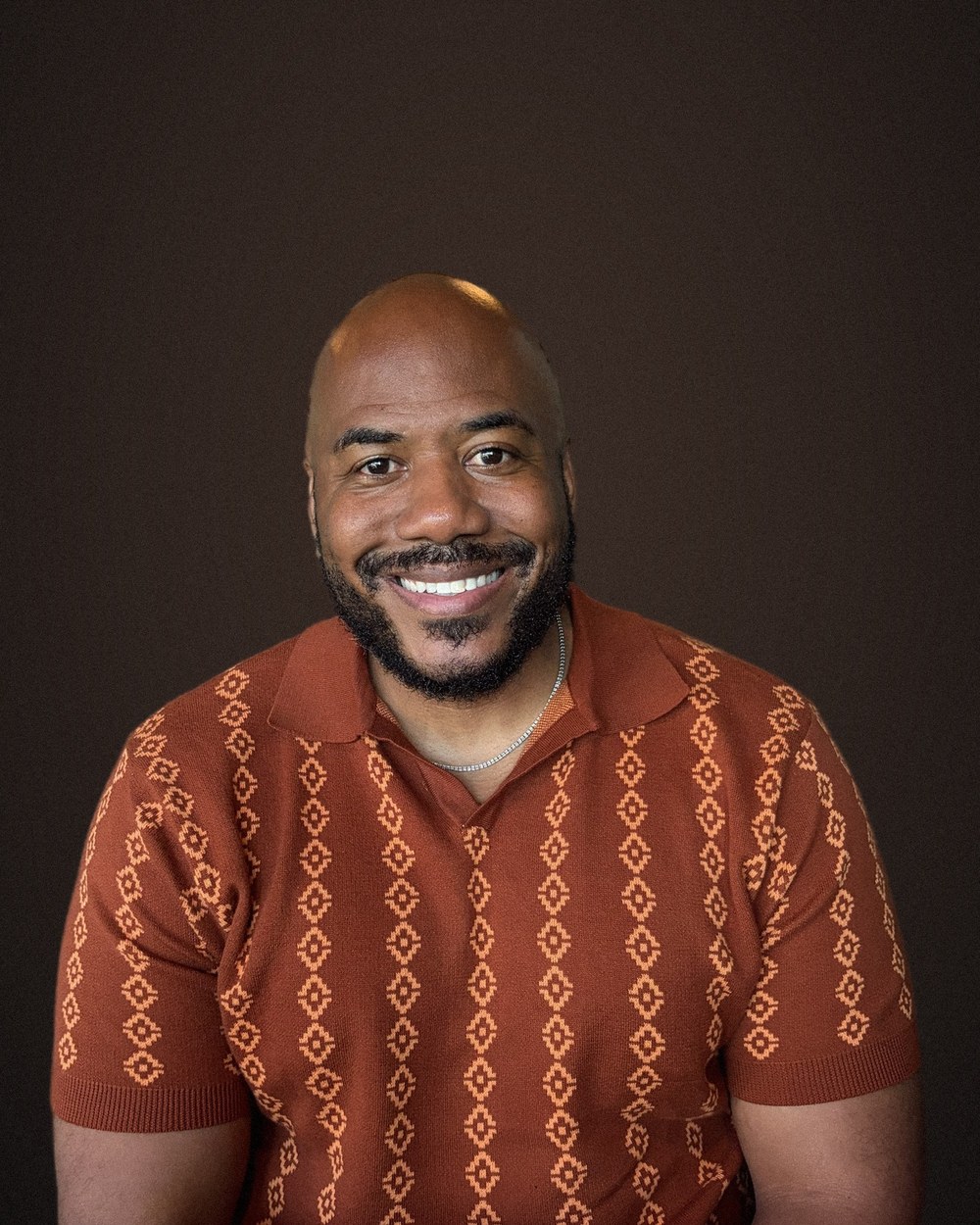
DeShawn Marks writes, directs and produces every Hit The Mark film. He also writes and produces the music.

He started Hit The Mark Entertainment in metro Atlanta to get the stories he has been writing for years in front of an audience, one world at a time.

Working in film?

If you produce, program or distribute films, we’d like to talk.

Get in touchSee the films